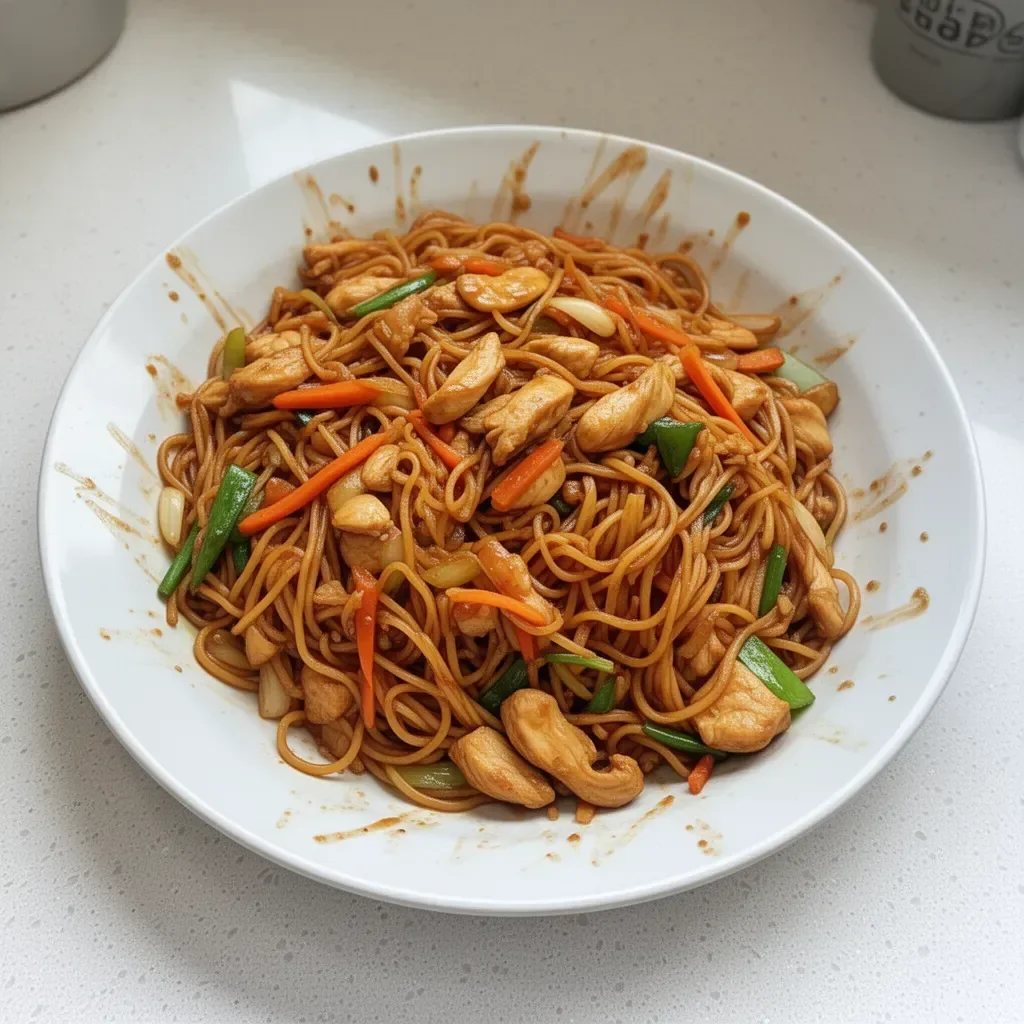
Customizable Chicken Lo Mein: Your Easy Homemade Takeout Favorite
Craving that irresistible blend of savory sauce, tender chicken, bouncy noodles, and crisp vegetables? Look no further than a homemade
chicken lo mein. This classic Chinese dish, a staple of takeout menus everywhere, is not only surprisingly simple to recreate in your own kitchen but also offers an unmatched level of customization. Forget soggy, overly greasy takeout – prepare to whip up a restaurant-quality meal in under 30 minutes that will quickly become your go-to "fakeout" favorite. Imagine the vibrant colors, the aromatic spices, and the delightful texture contrasts, all perfectly tailored to your palate.
Why Homemade Chicken Lo Mein Reigns Supreme
The allure of ordering takeout is strong, but the benefits of making
chicken lo mein at home are even stronger. Beyond the sheer satisfaction of creating a beloved dish from scratch, you gain complete control over the ingredients. This means healthier options, fresher components, and the ability to adjust flavors to your precise liking. No more guessing about oil quality or hidden additives! Making this dish yourself is also incredibly cost-effective, stretching your grocery budget further than repeated takeout orders.
One of the most appealing aspects is its speed. Many believe authentic stir-fries are complex, but the truth is, a delicious
chicken lo mein can be on your table in roughly half an hour, including prep time. This makes it an ideal weeknight meal solution, rivaling the convenience of delivery with vastly superior quality. Plus, it’s a fantastic way to utilize leftover vegetables or proteins lingering in your fridge, transforming them into a vibrant, new culinary experience.
The Core Components of Your Perfect Lo Mein
Crafting the perfect bowl of
chicken lo mein hinges on three key elements: the noodles, the protein, and the sauce. Each plays a crucial role in building the layered flavors and textures that make this dish so addictive.
The Noodles: Foundation of Flavor
The star of any lo mein is, naturally, the noodles. For the most authentic experience, seek out
fresh lo mein noodles, often found in the refrigerated section of Asian grocery stores. Brands like "Twin Marquis" are popular choices. These fresh noodles cook directly in the wok alongside the other ingredients, allowing them to absorb all the savory sauce and aromatic flavors, resulting in that signature bouncy, deeply flavored texture.
However, if fresh noodles are elusive, don't despair! Any thick, long egg noodle will work. Even spaghetti can be a surprisingly effective substitute in a pinch, though the texture will be slightly different. The critical trick with any noodle choice is to
undercook them by 1-2 minutes less than package directions when boiling. They will continue to cook and soften during the stir-frying process. Immediately after boiling, rinse them thoroughly with cold water to halt the cooking and shake them dry, then toss lightly with a tablespoon of sesame oil. This prevents sticking and adds an extra layer of aroma. For an in-depth dive into achieving that perfect noodle and mastering the sauce, explore our guide on
Unlock Restaurant-Quality Chicken Lo Mein: Noodle & Sauce Secrets.
The Chicken: Tender and Flavorful
While many restaurants opt for chicken breast for its lean profile, you can certainly use chicken thighs for an even juicier, more tender result. Regardless of your choice, the key is proper preparation. Begin by thinly slicing your chicken – this ensures quick cooking and maximum surface area for flavor absorption. Marination is essential here. A simple yet effective marinade involves salt, white pepper, soy sauce, Shaoxing wine (or dry sherry as a substitute), cornstarch, and a touch of neutral oil. The cornstarch creates a protective "velvet" coating, ensuring the chicken remains succulent and tender during high-heat cooking, while the other ingredients infuse it with savory depth.
The Vegetables: Crispness and Color
This is where the "customizable" aspect truly shines. Classic choices include julienned carrots, shredded cabbage, and sliced white onion. However, your homemade lo mein is a canvas for whatever fresh produce you have on hand or prefer. Bell peppers (any color!), snow peas, broccoli florets, mushrooms, bamboo shoots, and water chestnuts are all fantastic additions. A crucial tip for even cooking and a professional presentation is to
cut all your vegetables into similar-sized pieces. This ensures everything cooks uniformly and maintains a pleasant texture. Don't forget to separate the whites and greens of your scallions; the whites go in with the aromatics for an initial burst of flavor, while the greens are folded in at the end for freshness and vibrant color.
The Sauce: The Heart of the Dish
The sauce brings everything together, coating the noodles and ingredients in a glossy, irresistible sheen. Luckily, this rich, sweet, and savory blend comes together in a flash. Whisk together soy sauce, oyster sauce (for umami depth), dark soy sauce (for rich color and a touch more complexity), sesame oil (for nutty aroma), white pepper, sugar, water, and cornstarch (for thickening). Many authentic recipes also include a dash of MSG; while optional, it undeniably enhances the savory "umami" factor, mirroring that classic takeout taste. You can easily double this sauce recipe to have extra on hand for another stir-fry later in the week.
Mastering the Stir-Fry Technique: Step-by-Step for Success
The actual cooking of
chicken lo mein is a rapid-fire process that requires a hot wok or large skillet and a bit of organization. This style of cooking is all about speed and high heat.
1.
Mise en Place is Key: Before you even turn on the stove, ensure all your ingredients are prepped, measured, and within arm's reach. This means chicken marinated, vegetables chopped, sauce mixed, and noodles par-boiled and tossed with sesame oil.
2.
Sear the Chicken: Heat a wok or large skillet over high heat until it's smoking slightly. Add a tablespoon of neutral oil. Sear the marinated chicken until it's golden brown and cooked through, about 2-3 minutes. Remove the chicken from the pan and set it aside. Avoid overcrowding the pan; if necessary, cook the chicken in two batches.
3.
Sauté Aromatics and Veggies: In the same pan, add a little more oil if needed. Sauté minced garlic, ginger, and the white parts of your scallions until fragrant, about 30 seconds. Immediately add your harder vegetables (like carrots, onions, broccoli) and stir-fry for 1-2 minutes until they start to soften but still retain some crunch. Add softer vegetables (like cabbage, bell peppers) and stir-fry for another minute.
4.
Combine and Toss: Return the cooked chicken to the pan. Add your par-cooked noodles and pour in the prepared sauce. Using tongs, quickly toss everything together vigorously, ensuring the noodles, chicken, and vegetables are evenly coated in the glossy sauce. Continue to cook over high heat for 1-2 minutes, allowing the noodles to finish cooking and absorb the flavors, and the sauce to thicken and become glossy.
5.
Finish and Serve: Fold in the green parts of your scallions and toss for another 15-30 seconds until they slightly wilt. Your homemade
chicken lo mein is now ready to be served hot! For a more detailed walkthrough and to make this authentic dish at home in 30 minutes, check out our guide on
Make Authentic Chicken Lo Mein at Home in 30 Minutes.
Customization Beyond the Basics
The beauty of homemade lo mein lies in its infinite adaptability. Don't stop at just chicken!
*
Protein Swaps: Easily substitute chicken with shrimp, beef (thinly sliced sirloin or flank steak), pork (tenderloin or thin slices of pork shoulder), or even tofu for a vegetarian option. Just adjust cooking times accordingly.
*
Vegetable Variations: Experiment with seasonal produce. Asparagus, bok choy, snap peas, mushrooms, or even different types of cabbage (Napa, green, or purple) can add new dimensions of flavor and texture.
*
Spice Level: For those who like a kick, add a pinch of red pepper flakes with the aromatics, or drizzle with sriracha or chili oil before serving. Fresh sliced chilies can also be stir-fried with the vegetables.
*
Dietary Adjustments: Make it gluten-free with tamari instead of soy sauce, or reduce sugar content if preferred. The dish is naturally dairy-free.
This versatility makes
chicken lo mein an incredible meal for busy households, adaptable to almost any dietary preference or what's currently in your refrigerator.
In conclusion, making your own customizable
chicken lo mein at home is an incredibly rewarding experience. It’s an easy, fast, and delicious way to enjoy a takeout favorite with the added benefits of fresh ingredients, personalized flavors, and superior quality. Say goodbye to mediocre delivery and hello to a vibrant, flavorful, and truly satisfying homemade meal that you can be proud to serve. Give this recipe a try, and discover just how simple it is to bring that restaurant-quality experience to your own dining table!