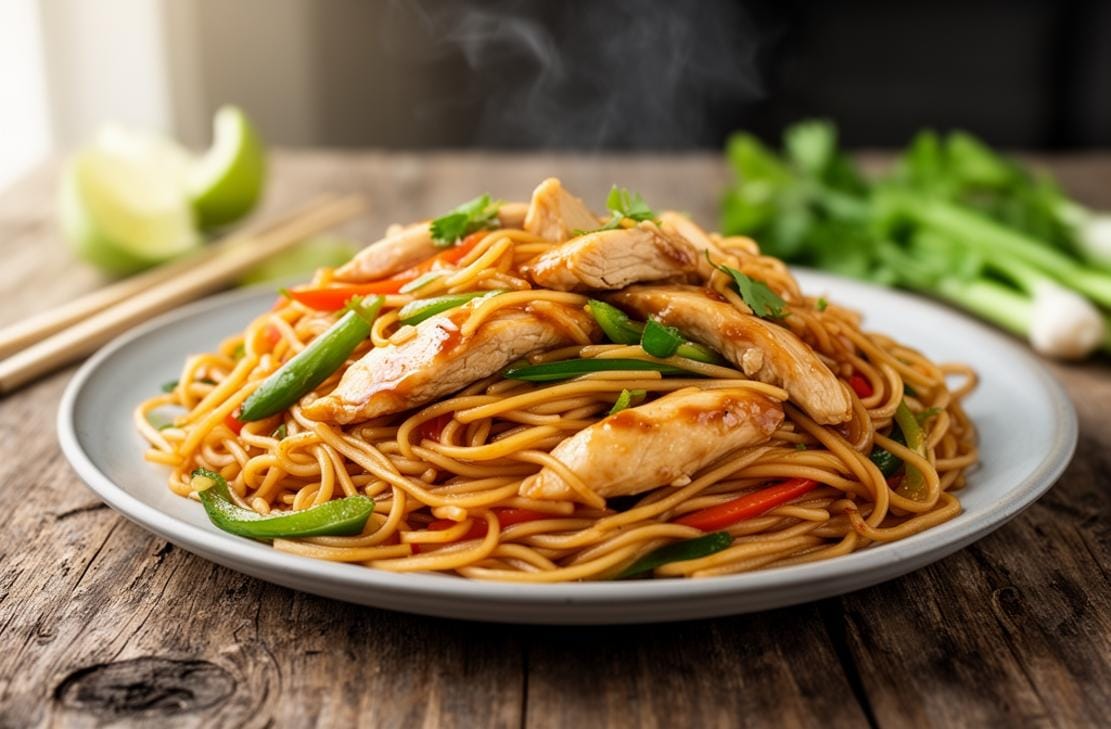
Unlock Restaurant-Quality Chicken Lo Mein: Noodle & Sauce Secrets
Imagine recreating that beloved restaurant-quality Chicken Lo Mein in your own kitchen – bouncy noodles, tender chicken, crisp vegetables, and a glossy, savory sauce that truly sings. The good news? It’s not just a daydream. Crafting an authentic, delicious batch of homemade chicken lo mein is far simpler and quicker than you might think, often coming together in under 30 minutes. This popular takeout dish, renowned for its comforting blend of textures and flavors, can easily become your new weeknight favorite, proving that satisfying, flavor-packed meals don't always require a hefty time commitment or a trip to your local Chinese restaurant.
Forget bland, greasy imitations; this guide dives deep into the secrets behind truly exceptional chicken lo mein, focusing on the core components that elevate it from good to unforgettable. We’ll unveil the magic behind choosing the right noodles, mastering the perfect sauce, preparing your protein and vegetables, and employing stir-frying techniques that deliver that authentic taste and texture.
The Foundation of Flavor: Noodles & Sauce Secrets
The soul of any great lo mein lies in two critical components: the noodles and the sauce. Getting these right is paramount to achieving that authentic, restaurant-quality experience.
Mastering the Noodles for Perfect Lo Mein
For an unparalleled chicken lo mein experience, fresh lo mein noodles are the non-negotiable star. These aren't just any noodles; they're typically found in the refrigerated section of your local Asian grocery store (brands like "Twin Marquis" are excellent choices). Why fresh? Fresh noodles possess a unique elasticity and bounce, allowing them to cook directly in the pan or wok alongside the other ingredients. This direct contact with the savory sauce and high heat enables them to absorb flavors beautifully, resulting in a much more integrated and delicious dish compared to pre-cooked or dried alternatives.
- The Fresh Noodle Advantage: Fresh noodles cook quickly and absorb flavors, contributing to a truly integrated dish.
- Where to Find Them: Look in the refrigerated section of Asian supermarkets.
- Alternatives in a Pinch: If fresh lo mein noodles are unavailable, don't despair! Any thick, long noodle can work. Even regular spaghetti has been known to deliver surprisingly good results in a pinch, though the texture won't be identical.
- Crucial Noodle Tip: Always undercook your noodles by 1-2 minutes less than the package directions. They will continue to cook as they're stir-fried with the other ingredients. After boiling, immediately rinse them with cold water to stop the cooking process, then shake them dry and toss with a tablespoon of sesame oil. This prevents them from sticking together and ensures they remain distinct strands when added to the wok.
Crafting the Savory Lo Mein Sauce
The sauce is the vibrant heart of your chicken lo mein, tying all the diverse ingredients together with its rich, umami-packed flavor. A perfectly balanced sauce offers a complex interplay of salty, sweet, and savory notes, with a beautiful glossy finish. Preparing it in advance is a crucial step for a smooth, high-heat stir-fry process.
A classic lo mein sauce typically combines:
- Soy Sauce: The primary salty, umami base.
- Oyster Sauce: Adds depth, sweetness, and a signature savory complexity.
- Dark Soy Sauce: Primarily for color, giving the noodles that attractive, rich brown hue without adding excessive saltiness.
- Sesame Oil: For its distinctive nutty aroma and flavor.
- White Pepper: A subtle, earthy warmth that's characteristic of Chinese cooking.
- Sugar: To balance the saltiness and add a touch of sweetness.
- Water: To provide liquid for the sauce and help it coat the ingredients.
- Cornstarch: The secret to that desirable glossy, slightly thickened consistency.
- MSG (Optional): A pinch can amplify the umami, enhancing the overall savory profile, similar to what many restaurants use.
Sauce Tip: Whisk all sauce ingredients together in a bowl before you start cooking. This way, when it's time to add the sauce, you can simply pour it in, maintaining the high heat crucial for stir-frying without interruption. This sauce is so versatile and delicious, you might even consider doubling the recipe to have some on hand for another stir-fry later in the week!
Mastering the Proteins & Veggies: Customization & Prep
Beyond noodles and sauce, the protein and vegetables define the texture and nutritional profile of your chicken lo mein. Thoughtful preparation here ensures quick cooking and balanced flavors.
Perfecting Your Chicken
While many restaurants opt for chicken breast due to its lean nature and universal appeal, chicken thighs are an excellent alternative, offering a juicier, more tender result due to their higher fat content. Whichever you choose, the key is preparation:
- Thin Slicing: Cut your chicken into thin, uniform slices. This ensures rapid cooking and an even texture throughout the dish.
- The Marinade Magic: A quick marinade is essential for tender, flavorful chicken. Combine salt, white pepper, soy sauce, Shaoxing wine (a Chinese rice wine that adds depth), cornstarch (which creates a protective, velvetizing coating), and a neutral oil. This marinade tenderizes the chicken, infuses it with flavor, and helps it sear beautifully, locking in moisture.
Customizing Your Vegetables
One of the true joys of homemade lo mein is its incredible versatility. While traditional versions often feature carrots, cabbage, and white onion, this dish is a fantastic canvas for whatever produce you have on hand or prefer. This makes Customizable Chicken Lo Mein: Your Easy Homemade Takeout Favorite a perfect description for this dish.
- Classic Choices: Carrots (julienned), shredded cabbage, and sliced white onion provide a delightful crunch and sweetness.
- Beyond the Basics: Feel free to experiment with broccoli florets, bell peppers (any color), snow peas, mushrooms, or even bok choy. No napa cabbage? Use green or purple cabbage!
- Vegetable Tip: Always cut your vegetables into similar-sized pieces. This seemingly small step makes a huge difference in ensuring they cook evenly, preventing some from becoming overcooked and mushy while others remain raw. Also, remember to go light on seasoning your vegetables during stir-frying, as the rich lo mein sauce will provide ample flavor and salt to the final dish.
- Aromatics: Don't forget the aromatic backbone – fresh garlic and ginger, finely minced. Scallions are also key; separate the whites (for sautéing early on) from the greens (for a fresh finish).
The Stir-Fry Technique: Wok Wisdom for Perfect Results
The stir-fry method is where all your careful preparation comes to life. It’s a rapid-fire cooking process that demands high heat and constant movement, ideally in a wok, but a large, heavy-bottomed pan can also work effectively.
- Heat the Wok: Begin by heating your wok or pan over high heat until it's smoking lightly. Add a neutral oil. High heat is critical for achieving that desirable "wok hei" – the smoky, charred flavor synonymous with authentic stir-fries – and for ensuring vegetables cook quickly to a tender-crisp texture.
- Sear the Chicken: Add your marinated chicken in a single layer and sear until golden brown and cooked through. Remove the chicken from the wok and set aside.
- Sauté Aromatics: In the same pan, quickly sauté the minced garlic, ginger, and scallion whites until fragrant (this usually takes less than a minute).
- Stir-Fry Vegetables: Add your pre-cut vegetables and stir-fry briskly until they are tender-crisp – still retaining some bite. Remember, don't overcrowd the pan; if you have a large quantity of vegetables, cook them in batches to maintain high heat and prevent steaming.
- Combine & Toss: Return the seared chicken to the wok. Add your undercooked, drained noodles and pour in the whisked lo mein sauce. Toss everything vigorously with tongs, ensuring all ingredients are evenly coated in the glossy sauce. Continue cooking over high heat for 1-2 minutes, allowing the noodles to finish cooking and fully absorb the flavors.
- Finish with Scallion Greens: Finally, fold in the reserved scallion greens, tossing just until they begin to wilt. This adds a fresh, vibrant pop of color and flavor.
Your homemade chicken lo mein is now ready to be served immediately, piping hot and bursting with flavor. The entire cooking process, once ingredients are prepped, should take no more than 10-15 minutes.
Troubleshooting & Advanced Tips for Your Best Chicken Lo Mein
Even with the best recipes, sometimes a little extra insight can make all the difference. Here are some advanced tips and troubleshooting advice to ensure your chicken lo mein is consistently perfect:
- Preventing Soggy Noodles: The undercooking and cold rinse steps are your best friends here. Don't skip them! The cold water stops residual cooking and removes excess starch, while the sesame oil prevents clumping. If noodles still feel sticky, ensure they are thoroughly drained before tossing with oil.
- Avoiding Watery Sauce or Soggy Veggies: The main culprits are usually low heat or overcrowding the pan. High heat quickly evaporates moisture and sears ingredients. If your wok isn't large enough for all the ingredients, cook in batches. Searing the chicken separately and then stir-frying the vegetables ensures each component gets proper attention.
- Flavor Balance: Taste your sauce before adding it to the wok. Need more umami? A dash more oyster sauce or even a tiny pinch of MSG can help. Too salty? A bit more sugar or water can balance it out. A touch of rice vinegar added at the very end can also brighten the flavors if you find it too rich.
- Make it a Meal Prep Star: This dish is fantastic for meal prep. The sauce can be made days in advance and stored in the fridge. Vegetables can be chopped and stored in airtight containers. If using chicken thighs, they tend to reheat better than breast, remaining juicy.
- Using Up Leftovers: As NYT Cooking points out, chicken lo mein is a fantastic way to use up leftovers! Have some roasted chicken? Shred it and add it at the end. Lingering veggies in the fridge? Toss them in!
- Equipment Matters: While a wok is ideal for its heat distribution and large surface area, a high-quality, large non-stick skillet or cast-iron pan can also achieve excellent results. The key is to ensure it can get very hot and handle the volume of ingredients without dropping its temperature too much.
With these noodle and sauce secrets, alongside expert preparation and stir-frying techniques, you’re now equipped to create a truly authentic, restaurant-quality chicken lo mein that will impress friends and family alike. This isn't just a recipe; it's an invitation to explore the joy of homemade Chinese cuisine, making a popular takeout favorite truly your own.
